Our Technology
Precision manufacturing using filament winding, advanced composite curing and in-house burst testing — all meeting the highest ISO standards.
Filament Winding
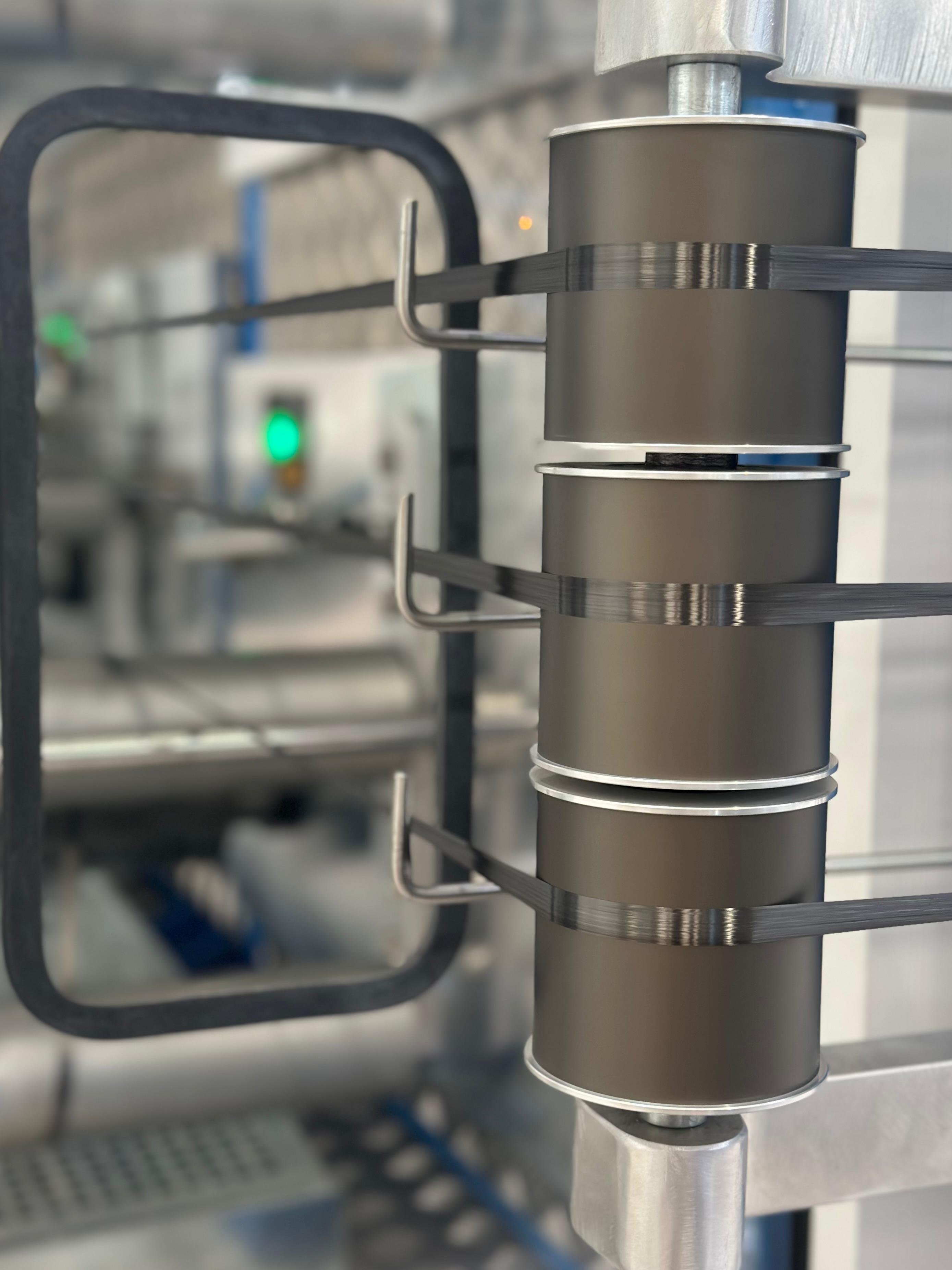
Filament winding is a precision technique for crafting Type IV pressure vessels — wrapping carbon fibre strands around a cylindrical mandrel to create strong yet lightweight structures. Ideal for high-strength applications, this method ensures durability and efficiency.
Materials
Type IV pressure vessels utilise filament winding combining carbon fibres with epoxy resin for enhanced strength and durability. This advanced construction ensures high mechanical properties, including tensile strength and corrosion resistance — resulting in lightweight vessels with superior gas containment capabilities.
The Process
Filament winding delivers precise fibre placement and uniform distribution, creating strong, lightweight Type IV pressure vessels ideal for storing and transporting Hydrogen and CNG gases with exceptional mechanical properties.
Composite Curing Oven
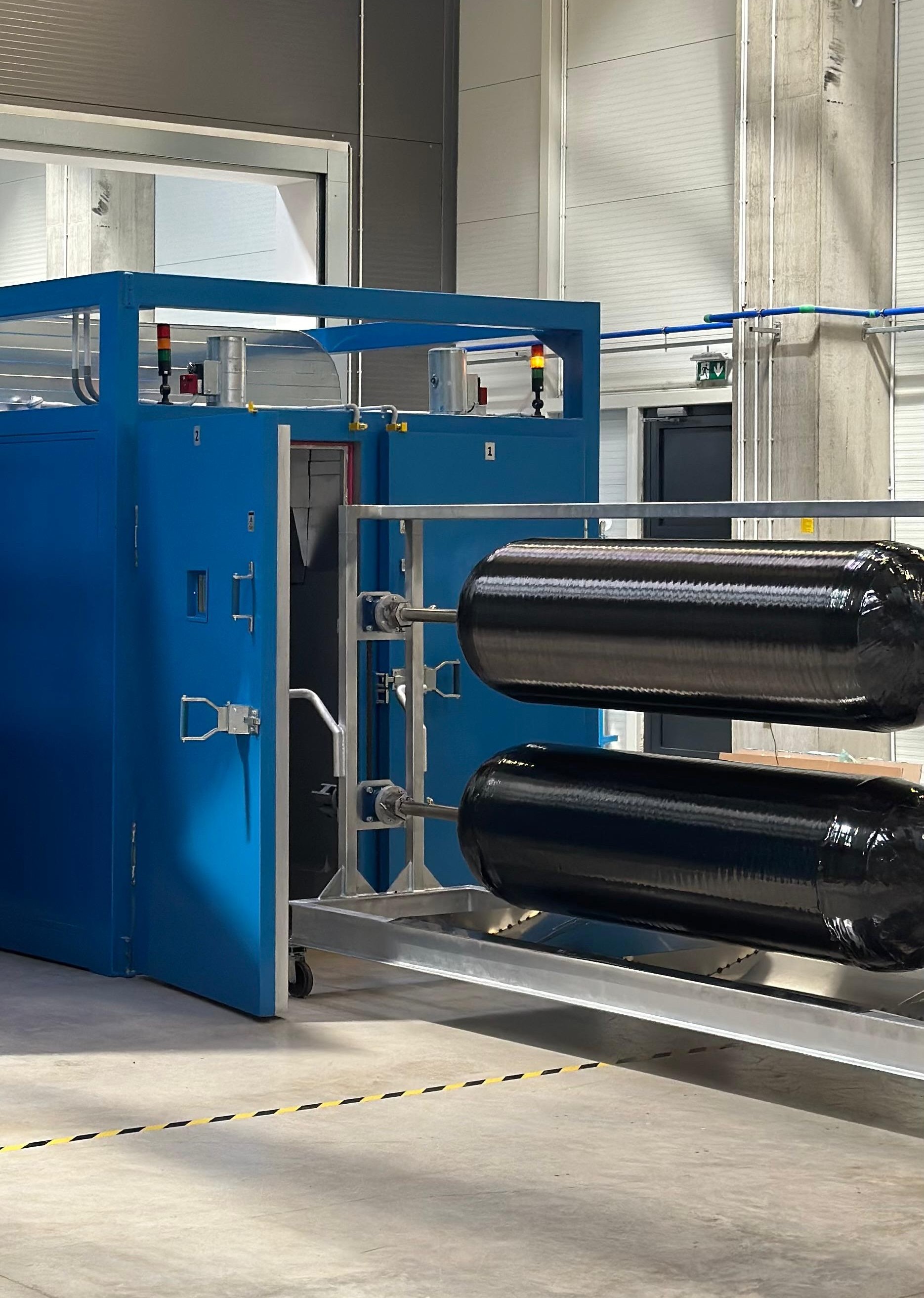
Our composite curing oven is essential for crafting high-pressure vessels for Hydrogen and CNG (Type IV). Following plastic liner moulding, the process progresses to filament winding — where fibres are precisely applied to the liner using an automated procedure that ensures uniform fibre placement.
The curing oven is then used to fully cure the composite vessel under precisely controlled conditions.
Preheating
Remove moisture from the vessel before curing begins.
Loading
The vessel is loaded into the oven under controlled conditions.
Heating to Cure Temperature
Precise temperature control ensures optimal resin curing.
Soaking
Maintaining the temperature for optimal composite performance.
Controlled Cooling
Gradual cooling minimises internal stresses in the material.
Quality Inspection & Unloading
Final quality check before the vessel moves to the next stage.
Burst Test Facility
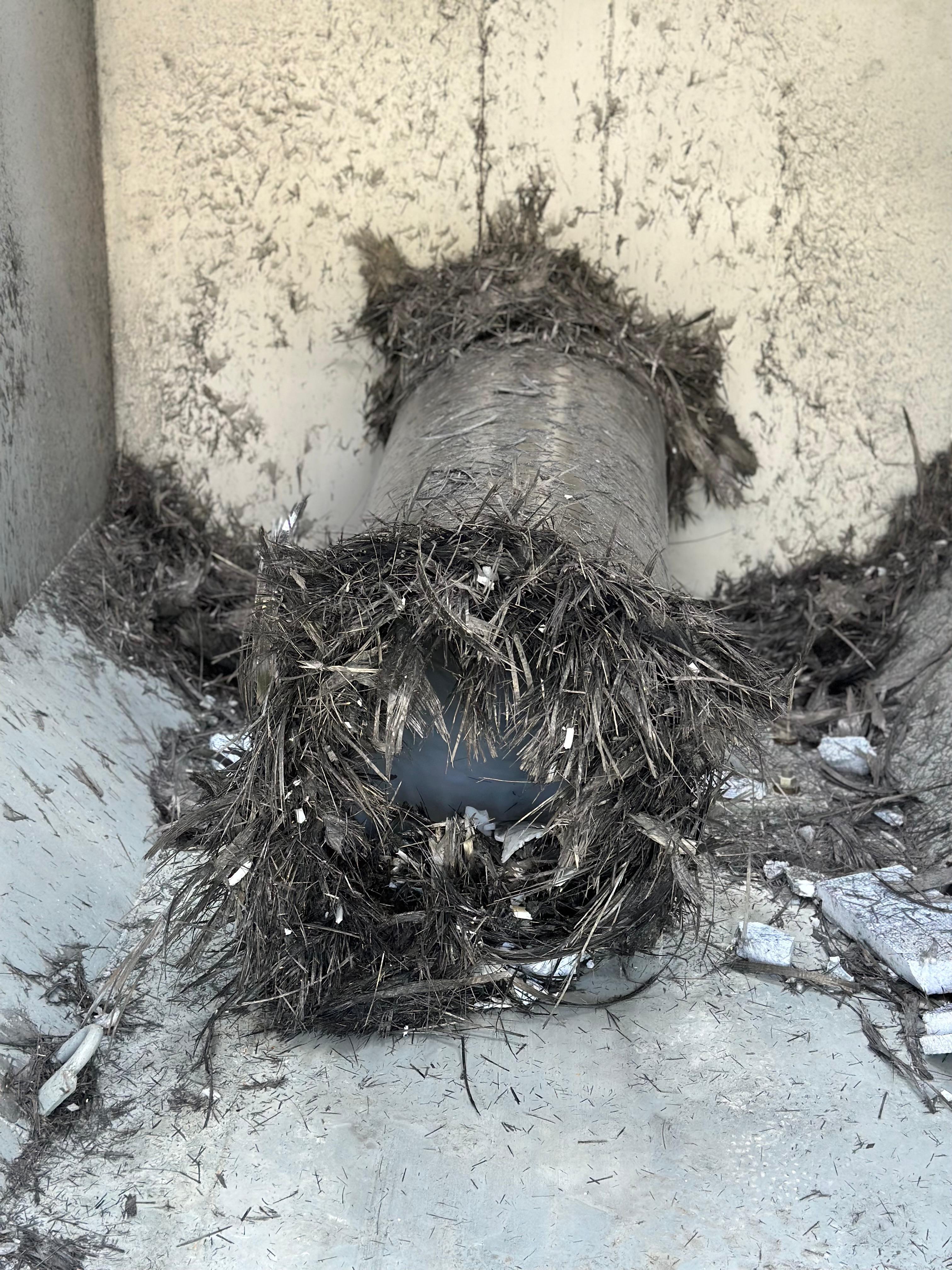
The burst test facility is crucial for ensuring the quality of Type IV pressure vessels for Hydrogen and CNG. By subjecting vessels to extreme conditions, it verifies compliance with safety standards — reducing risks in storage and transportation.
In addition to burst testing, we are able to perform further custom testing procedures depending on specific project or certification requirements. Contact us to discuss your needs.
Test Chamber
A reinforced chamber with full safety measures isolates the test vessel.
Pressure Control
Precise pressure control system ramps up incrementally.
Data Monitoring
Instruments continuously record pressure, temperature and deformation.
Burst Test
Pressure increases until failure — revealing the true safety margin.
Data Analysis & Compliance
Results are compared against ISO and industry standards for certification.
Interested in our manufacturing process?
Get in touch and let's discuss how we can deliver the right solution for you.
Contact Us